How to Build a Household Savings System That Actually Sticks
Building a savings system that actually sticks can seem like an uphill battle, especially when household expenses are constantly fluctuating. Yet, savings are key to long-term financial security, peace of mind, and achieving your family’s goals. Whether it’s for emergencies, vacations, home improvement, or retirement, having a consistent and organized approach to saving is vital.
The Consumer Financial Protection Bureau (CFPB) emphasizes that creating a household budget and savings plan helps manage your money more effectively, and it can reduce unnecessary stress. In this article, we will explore practical steps for building a savings system that works for your family—one that fits into your life without being burdensome.
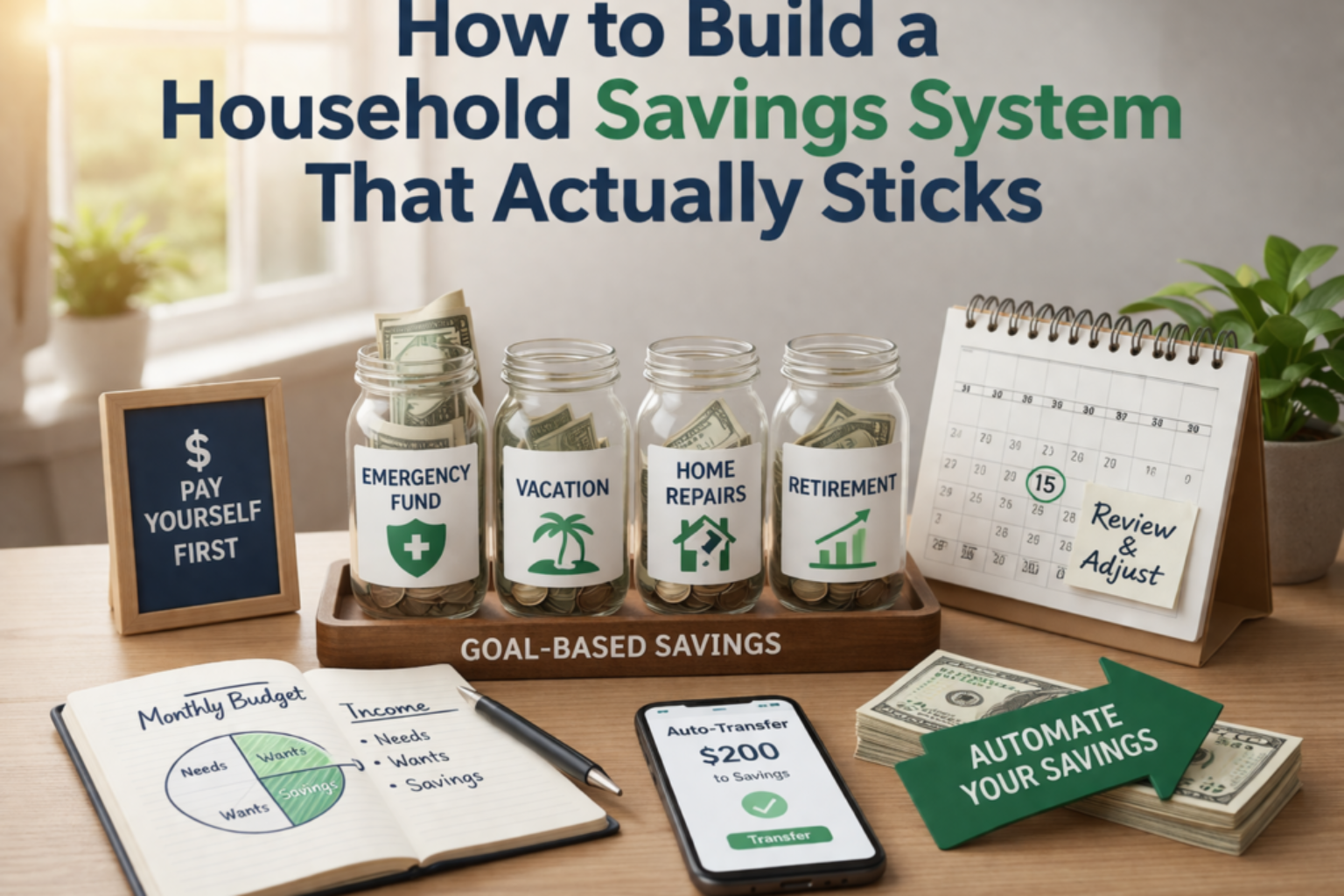
Step 1: Define Your Savings Goals
The first step in building a savings system that actually sticks is to clearly define what you are saving for. The CFPB recommends that you should have both short-term and long-term savings goals, with an emphasis on flexibility so your system can adapt when unexpected expenses arise.
Examples of short-term goals:
- Building an emergency fund
- Saving for vacations
- Paying off small debts
Examples of long-term goals:
- Saving for retirement
- Building a college fund for children
- Saving for a home down payment
Defining your goals will not only make it easier to allocate your funds each month, but it will also provide motivation to stick to your savings plan.
Step 2: Create a Realistic Budget
A realistic budget is the foundation of a savings system that sticks. The CFPB suggests you should track both income and expenses, then set aside a portion for savings each month.
To create a practical budget:
- List all your monthly income sources (e.g., salaries, business income, investments).
- Identify essential expenses, such as housing, utilities, groceries, and insurance.
- Allocate money for discretionary expenses, like entertainment, dining out, and hobbies.
- Set a savings goal and prioritize it just like any other expense.
Your budget should be flexible enough to handle surprises but structured enough to keep you on track. A simple 50/30/20 rule works well for many households:
- 50% for needs
- 30% for wants
- 20% for savings and debt repayment.
Step 3: Automate Your Savings
One of the best ways to ensure consistent savings is by automating your savings. The CFPB and other financial experts recommend automating savings contributions so that you don’t have to think about it every month.
Here’s how to automate your savings:
- Set up automatic transfers from your checking account to your savings account.
- Use apps that round up purchases to the nearest dollar and save the difference.
- Set up direct deposit so that a percentage of your paycheck goes straight into savings.
Automating savings removes the temptation to spend the money and ensures that your goals stay top of mind. Over time, you’ll accumulate savings effortlessly.
Step 4: Build a Cash Buffer for Emergencies
Having a cash buffer for emergencies is a critical part of any household savings system. The CFPB specifically emphasizes the importance of having an emergency fund to cover unexpected expenses like medical bills, car repairs, or home maintenance.
To build your emergency fund, start with a small, achievable target, such as:
- $500 if you’re just getting started
- $1,000 for added peace of mind
- Eventually, aim for three to six months of living expenses
The Federal Reserve and other experts suggest that a solid emergency fund can protect your family from going into debt when unexpected financial challenges arise.
Step 5: Use Sinking Funds for Predictable Expenses
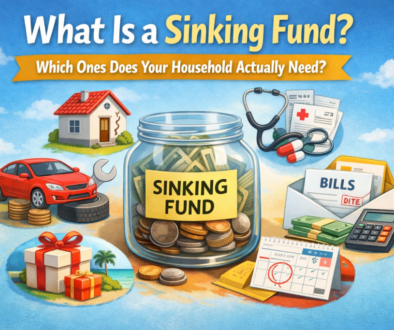
In addition to an emergency fund, it’s important to plan for predictable expenses. The CFPB recommends creating sinking funds to save for planned expenses that happen once or twice a year but are large enough to disrupt your budget if you’re unprepared.
Examples of expenses that are perfect for a sinking fund:
- Car insurance premiums
- Holiday shopping
- Annual property taxes
- Vacation or travel funds
Set up separate savings accounts for these funds so you know exactly how much to save each month. For example:
- If your annual car insurance premium is $1,200, save $100 per month.
- If you plan to spend $2,000 on holidays, save $167 per month.
By creating sinking funds, you’ll be prepared when the expense arises, and you won’t be scrambling to cover it.
Step 6: Review and Adjust Regularly
The key to building a savings system that sticks is ongoing review. As your income or expenses change, so should your savings goals. Set aside time every few months to review your budget and savings goals. Adjust your amounts as necessary to make sure you’re on track. The CFPB suggests adjusting your budget when major life changes occur, such as a change in income, a big purchase, or new family obligations.
Key actions to take during your review:
- Check if your emergency fund is still sufficient.
- Adjust for seasonal expenses or annual bills.
- Reassess your long-term goals, like retirement or college savings, and adjust your monthly contributions accordingly.
Regular check-ins ensure your savings plan stays effective and flexible.
Step 7: Stay Consistent and Avoid Lifestyle Inflation
As your savings grow, be cautious of lifestyle inflation—the tendency to increase spending when income increases. The CFPB warns against letting rising income lead to higher discretionary spending without increasing savings goals.
Instead, focus on increasing savings as your income grows. You can choose to:
- Boost your retirement contributions.
- Increase your emergency fund.
- Add more to your sinking funds.
By keeping your spending in check while increasing your savings, you’ll build a stronger financial foundation.
Final Answer: How to Build a Household Savings System That Actually Sticks
Building a household savings system that sticks is about creating a flexible, automated, and realistic plan. Start with defining your goals, then build a budget that allows for consistent savings each month. Make sure to automate the process and create separate funds for emergencies and predictable expenses. Regularly review your savings goals and avoid the temptation of lifestyle inflation. With the right system in place, saving for the future becomes a habit, not a burden.
FAQ
What should I prioritize in my household savings system?
Start by building an emergency fund and automating savings. Then, focus on predictable expenses and long-term savings goals like retirement.
How much should I save for an emergency fund?
Aim for at least $500 to $1,000 to start. Eventually, try to save three to six months of living expenses.
How do I stop lifestyle inflation from affecting my savings?
Be mindful of increasing your savings as your income grows. Use that extra income to boost your retirement contributions or add to your sinking funds.
How can I stay consistent with my savings?
Set up automatic transfers to your savings accounts, track your goals regularly, and avoid lifestyle inflation.